OWG Proposed Target 11.5
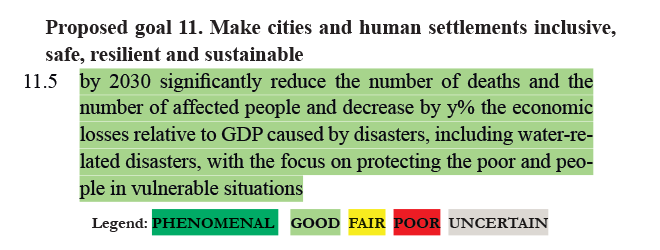
RATING: GOOD Due to the increased density of living, the impact of natural disasters in cities can be high. It is therefore cost beneficial to implement plans against disaster. The focus should be on identifying ‘high risk’ cities and ensuring a large percentage of these implement disaster mitigation strategies (as opposed to x% of all cities).
The difficulty with this target is that deaths and affected people from natural disasters do not exhibit a trend over time (Hallegate, 2012), so reduction in mortality and injury needs to be standardized according to some measure (intensity of disaster, number of disasters). Finding the right measure to standardize on is a non-trivial exercise.
Better wording: by 2030, increase by x% the number of human settlements that are prone to disasters adopting and implementing policies and plans towards resilience and adaptation to climate change and natural disasters
Download the entire report
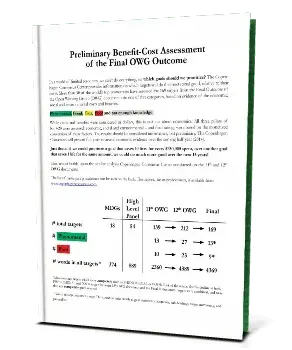
In our recent report, not just the target above, but all 169 targets have been assessed by 60 teams of the world’s top economists. The targets have been categorized into five ratings based on evidence of economic, social, and environmental costs and benefits. While we applaud that the UN Open Working Group's final outcome document contains 43 fewer targets than the previous document, we are concerned that many targets have simply been combined, therefore reducing the number of both phenomenal and poor targets assessed according to our cost-benefit analysis. Our new assessment includes suggestions for how these can be improved as reported in this article by the Financial Times.