OWG Proposed Target 11.6
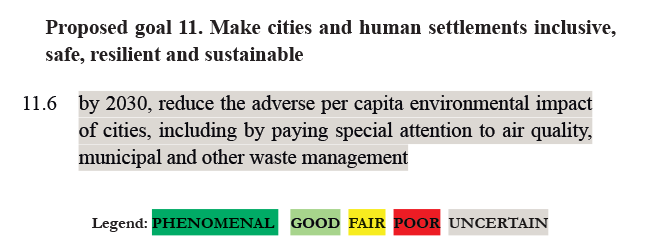
RATING: UNCERTAIN – developing indicators for this target will be difficult. Additionally, it is important that this target does not unnecessarily shrink urbanization (and the benefits associated with high density living). For example, it is likely to be preferable, from an environmental standpoint, for many people to live in a high-density apartment than for the equivalent amount of people to be spread out in a low density suburban housing – though the former may appear less ‘environmental’. That said, in selected urban environments, such as cities in China, introducing congestion taxes for cars will have very high payoffs in terms of air quality and congestion at relatively low cost with benefits in the PHENOMENAL range.
Download the entire report
In our recent report, not just the target above, but all 169 targets have been assessed by 60 teams of the world’s top economists. The targets have been categorized into five ratings based on evidence of economic, social, and environmental costs and benefits. While we applaud that the UN Open Working Group's final outcome document contains 43 fewer targets than the previous document, we are concerned that many targets have simply been combined, therefore reducing the number of both phenomenal and poor targets assessed according to our cost-benefit analysis. Our new assessment includes suggestions for how these can be improved as reported in this article by the Financial Times.