OWG Proposed Target 14.3
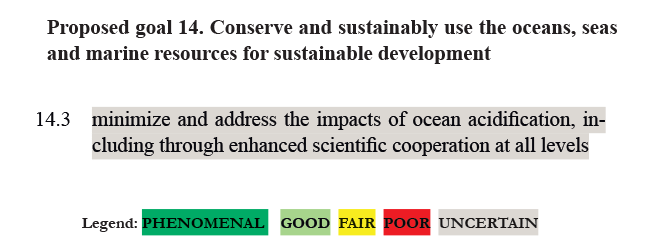
RATING: UNCERTAIN Brander et al. (2012), estimate the economic impacts of ocean acidification on coral reef systems and find that the potential costs of increased OA (and therefore benefits from reducing OA) to this part of the ecosystem are ~0.15% of GDP by 2100. They do not examine other parts of the marine ecosystem such as marine life. In terms of the costs of mitigating or adapting to OA, these are not well known and are complicated by the fact that OA is primarily driven by increases in CO2 only and not all greenhouse gases.
Download the entire report
In our recent report, not just the target above, but all 169 targets have been assessed by 60 teams of the world’s top economists. The targets have been categorized into five ratings based on evidence of economic, social, and environmental costs and benefits. While we applaud that the UN Open Working Group's final outcome document contains 43 fewer targets than the previous document, we are concerned that many targets have simply been combined, therefore reducing the number of both phenomenal and poor targets assessed according to our cost-benefit analysis. Our new assessment includes suggestions for how these can be improved as reported in this article by the Financial Times.