UN OWG Proposed Target 1.2
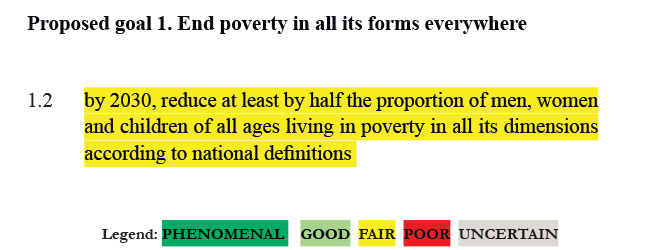
RATING: FAIR For those at the cusp of national poverty lines, the costs are relatively low compared to benefits. However, pushing for very large reductions in nationally defined poverty rates would be more costly, with uncertain economic benefits.
Another issue with this target is that the setting of national poverty lines is not standard across countries. This makes it difficult to know precisely where to prioritize poverty reduction efforts. If a country X exhibits a larger % of its pop. below the national poverty line, relative to country Y – it is not straightforward to assert that country X has more relatively poor. The difference could partly arise from different definitions of national poverty lines.
For the other elements of poverty (health, education and living standards consult the relevant part of this document).
Better wording: By 2030, reduce by at least 50% the proportion of people living below national poverty lines “based on standardized, internationally consistent methodology to construct poverty lines”
Download the entire report
In our recent report, not just the target above, but all 169 targets have been assessed by 60 teams of the world’s top economists. The targets have been categorized into five ratings based on evidence of economic, social, and environmental costs and benefits. While we applaud that the UN Open Working Group's final outcome document contains 43 fewer targets than the previous document, we are concerned that many targets have simply been combined, therefore reducing the number of both phenomenal and poor targets assessed according to our cost-benefit analysis. Our new assessment includes suggestions for how these can be improved as reported in this article by the Financial Times.