UN OWG Proposed Target 2.2
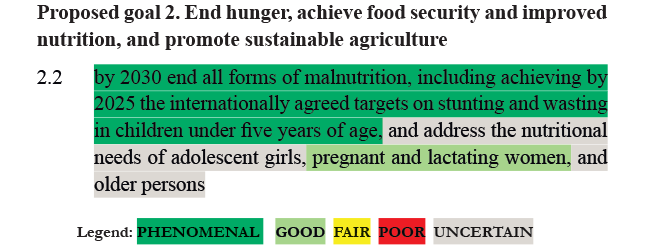
RATING: PHENOMENAL for targets related to children under 5. There is robust evidence that reducing stunting leads to lifetime of ongoing benefits, at very little cost (Hoddinott et al, 2012). Complete elimination of malnutrition by 2030 is optimistic.
There is robust evidence that addressing the needs of pregnant and lactating women is a GOOD target.
For adolescent girls and older persons, the evidence is UNCERTAIN, though likely to be in the FAIR range, mainly because the costs of providing micronutrients is inexpensive. Focus should be on children under 2 years of age, since this is the critical window where cognitive function is crystallized.
Better wording: By 2030, reduce stunting by x% and wasting by y% through the provision of micronutrients and nutrients to 0-2 year olds
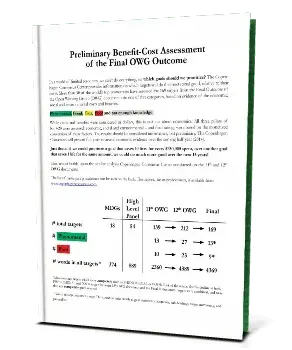
Download the entire report
In our recent report, not just the target above, but all 169 targets have been assessed by 60 teams of the world’s top economists. The targets have been categorized into five ratings based on evidence of economic, social, and environmental costs and benefits. While we applaud that the UN Open Working Group's final outcome document contains 43 fewer targets than the previous document, we are concerned that many targets have simply been combined, therefore reducing the number of both phenomenal and poor targets assessed according to our cost-benefit analysis. Our new assessment includes suggestions for how these can be improved as reported in this article by the Financial Times.