UN OWG Proposed Target 2.5
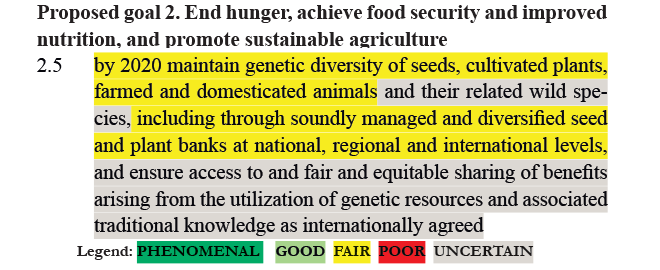
RATING: FAIR – there is evidence that maintaining genetic diversity of farmed species is beneficial, particularly in valuable industries e.g. maintaining diversity in grape varieties to prevent disease – and the costs of doing so are likely to be low. Maintaining genetic diversity of wild species is an UNCERTAIN proposition: estimated values for pharmaceutical uses for example do not come up with large benefit cost ratios.
…, and ensure access to and fair and equitable sharing of benefits arising from the utilization of genetic resources and associated traditional knowledge as internationally agreed
RATING: UNCERTAIN – equitable sharing does not necessarily increase aggregate benefits unless there is value placed on distribution of benefits or unless the beneficiaries of equitable sharing are more inclined to protect natural assets. The latter may be the case but is not always clear. The target is difficult to assess.
Download the entire report
In our recent report, not just the target above, but all 169 targets have been assessed by 60 teams of the world’s top economists. The targets have been categorized into five ratings based on evidence of economic, social, and environmental costs and benefits. While we applaud that the UN Open Working Group's final outcome document contains 43 fewer targets than the previous document, we are concerned that many targets have simply been combined, therefore reducing the number of both phenomenal and poor targets assessed according to our cost-benefit analysis. Our new assessment includes suggestions for how these can be improved as reported in this article by the Financial Times.