UN OWG Proposed Target 3.4
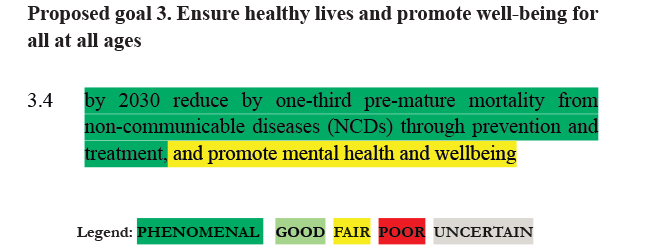
RATING: Assuming targeted interventions against specific NCDs where there are known means to reduce the burden of disease the rating is PHENOMENAL – for example, a tripling in tobacco tax worldwide is a highly effective intervention to prevent various NCDs including lung cancer (Jha and Peto, 2014). For older generations, reducing burden of NCDs is rated as FAIR - managing the health of older people will be net benefit and particularly so for countries where population is ageing. However, older generation have less time to benefit from improved health outcomes. For reducing mental health problems the rating is FAIR. Some good benefit-to-cost interventions to ameliorate mental health related suicide, include restricting access to guns and pesticides.
Download the entire report
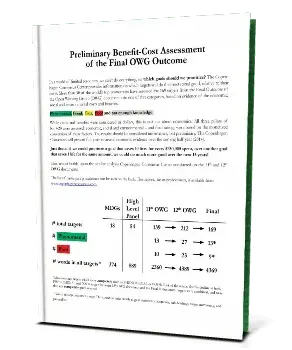
In our recent report, not just the target above, but all 169 targets have been assessed by 60 teams of the world’s top economists. The targets have been categorized into five ratings based on evidence of economic, social, and environmental costs and benefits. While we applaud that the UN Open Working Group's final outcome document contains 43 fewer targets than the previous document, we are concerned that many targets have simply been combined, therefore reducing the number of both phenomenal and poor targets assessed according to our cost-benefit analysis. Our new assessment includes suggestions for how these can be improved as reported in this article by the Financial Times.