UN OWG Proposed Target 5.4
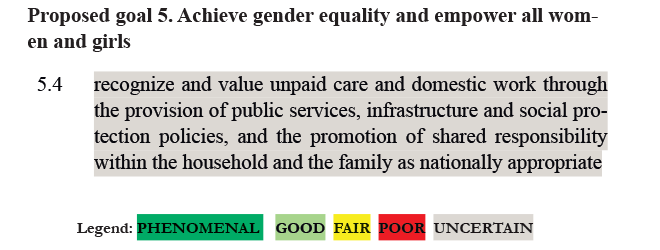
RATING: UNCERTAIN In a household with two members, if one works outside the home the other does “home production”, which is domestic work. In a household with two members working outside the home, either they will outsource “home production”, or one or the two members will devote some time to it, probably having a smaller amount of leisure time. Home production is not a good that has to be “recognized and valued”, and even if we know from time use surveys around the world that women are the household members that spend more time in domestic work activities, this could even be optimal under some conditions. The problem is when women are the ones that systematically spent time on domestic work, enjoying a lower amount of leisure. This is almost always due to social norms and cultural reasons that we economists do not know how to change. Thus, I would rate this as “uncertain”, but I would take the opportunity to point out that improving income-generating activities for women could make women less likely to spend a disproportionate amount of time in home production in the long run, as the amount of time spent by women in home production could decline with economic development.
Download the entire report
In our recent report, not just the target above, but all 169 targets have been assessed by 60 teams of the world’s top economists. The targets have been categorized into five ratings based on evidence of economic, social, and environmental costs and benefits. While we applaud that the UN Open Working Group's final outcome document contains 43 fewer targets than the previous document, we are concerned that many targets have simply been combined, therefore reducing the number of both phenomenal and poor targets assessed according to our cost-benefit analysis. Our new assessment includes suggestions for how these can be improved as reported in this article by the Financial Times.