





Copenhagen Consensus Center
The Copenhagen Consensus Center is a think tank that researches and publishes the smartest solutions to the world's biggest problems. Our studies are conducted by more than 300 economists from internationally renowned institutions, including seven Nobel Laureates, to advise policymakers and philanthropists how to achieve the best results with their limited resources.
Copenhagen Consensus is an outstanding, visionary idea and deserves global coverage”
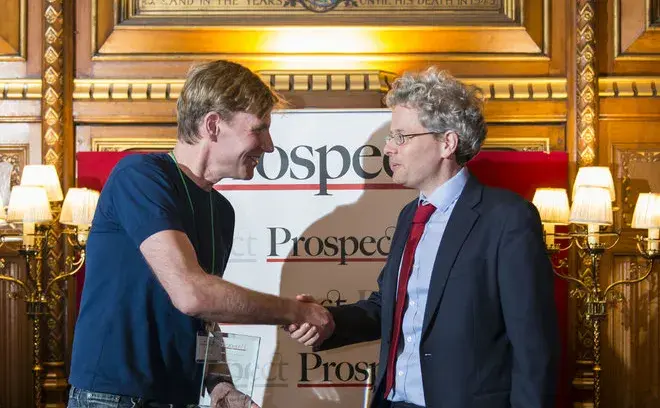
The Center was voted Think Tank of the Year in International Affairs (US) by Prospect Magazine, and our advocacy for data-driven prioritization has been repeatedly voted one of the top 20 campaigns worldwide in a think tank survey conducted by the University of Pennsylvania.
In a hurry? Watch the short video below to learn more about the Copenhagen Consensus Center or read more about our story.
The smartest solutions for Ghana’s future development
We are very interested in continuing to work with Ghana to help make sure that this research translates into action on value-for-money policies which will help to boost the country’s social development and economic potential.”
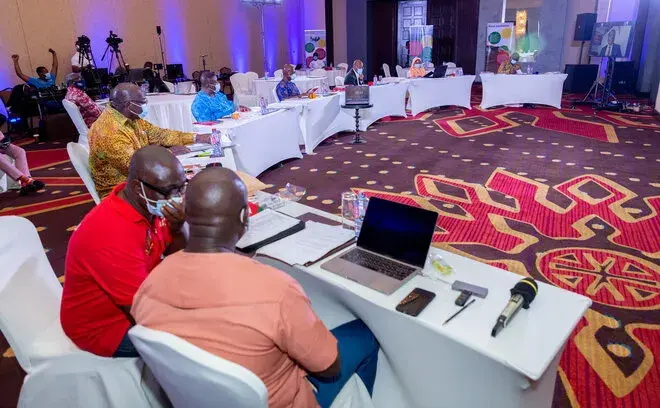
Recently, an eminent panel of seven distinguished economists met in Accra to evaluate more than 1000 pages of research across all sectors of government. The panel includes Finance Minister Mr. Ken Ofori-Atta, Planning Minister Prof. George Gyan-Baffour, former Finance Minister Prof. Kwesi Botchwey, Prof. Augustin Fosu from the University of Ghana, Prof. Ernest Aryeetey, Secretary-General of the African Research Universities Alliance, Prof. Eugenia Amporfu from KNUST, and the Nobel Laureate economist, Prof. Finn Kydland.
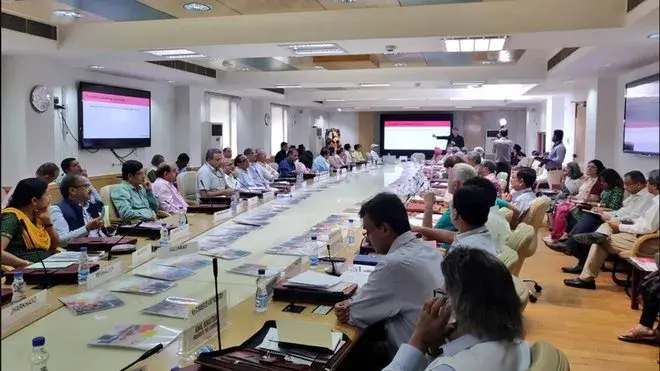
Having read all the research, the panel spent three days discussing and challenging the findings with all the specialist economists. In the end, the panel’s hard task was to prioritize where Ghana can best spend public funds.
Our Process
The Copenhagen Consensus prioritization process is the most interesting, innovative and useful approach by any think tank in recent decades."
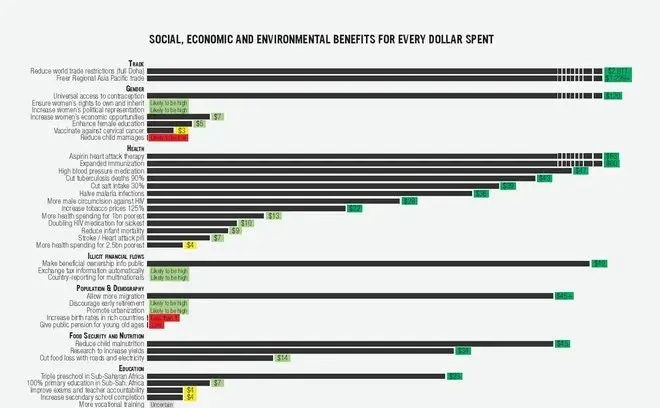
The Copenhagen Consensus Center focuses on cost-effective solutions to the world’s biggest challenges. We create a framework to prioritize solutions, with the goal of achieving the most good for people and the planet. Our analyses take into account not just the economic, but also health, social and environmental benefits.

Our Projects
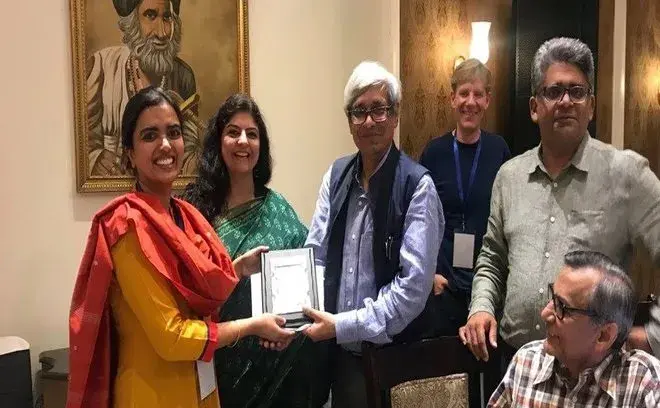
When I first read about it and I saw what India Consensus have been able to do, and the potential for this to be used as a policy tool, I was very excited. Therefore my congratulations to India Consensus. Hopefully this will become an integral part of data-based and critical-based decision making in the country.”
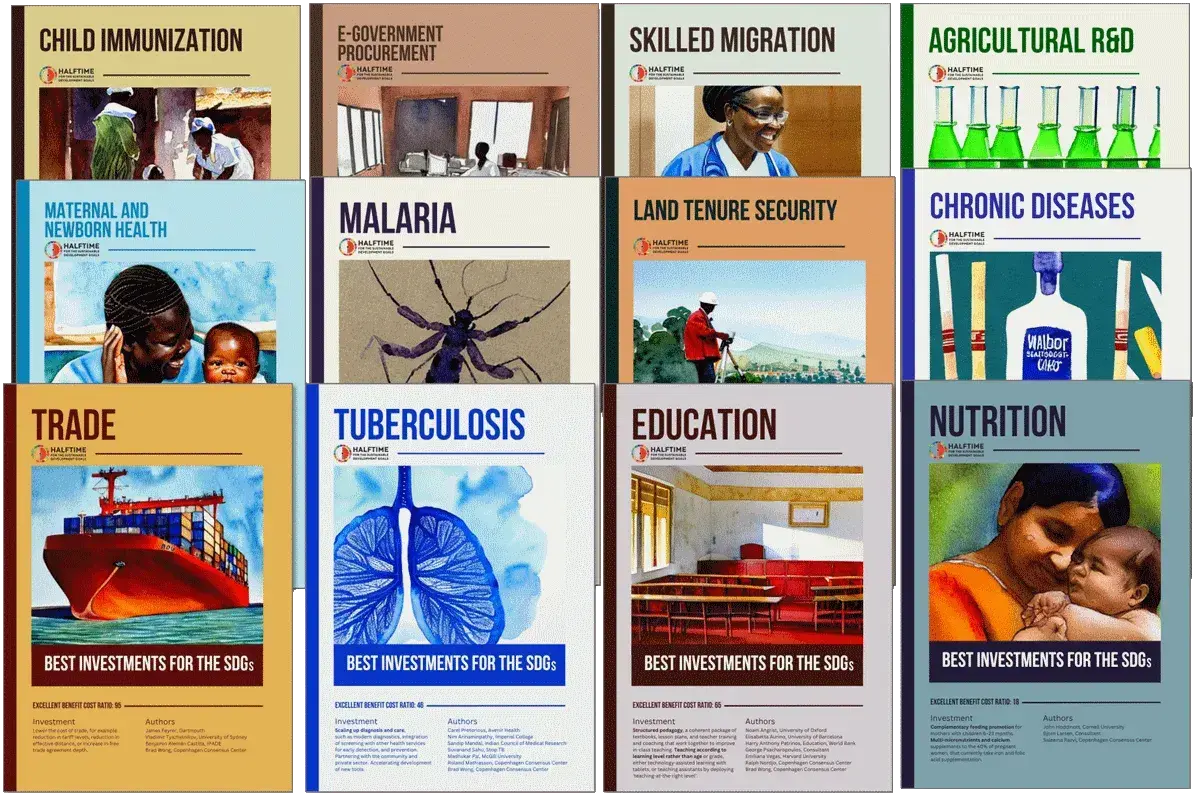
For more than a decade, the Copenhagen Consensus approach has been applied at a global level, mostly recently analyzing the effectiveness of the UN’s global goals for 2016-2030. In 2015, The Copenhagen Consensus Center launched the Bangladesh Priorities project, the flagship country-level prioritization project to apply the Copenhagen Consensus approach on a national scale. The success of Bangladesh Priorities lead to further country-level projects, first in Haiti and most recently India through the India Consensus.


Testimonials
Copenhagen Consensus is a foundation of great international prestige that sponsors many investigations into how to make the best investments to help humanity, protect the environment, generate sustainable development and effective social development. It is a very beautiful organization, with some very clear goals."
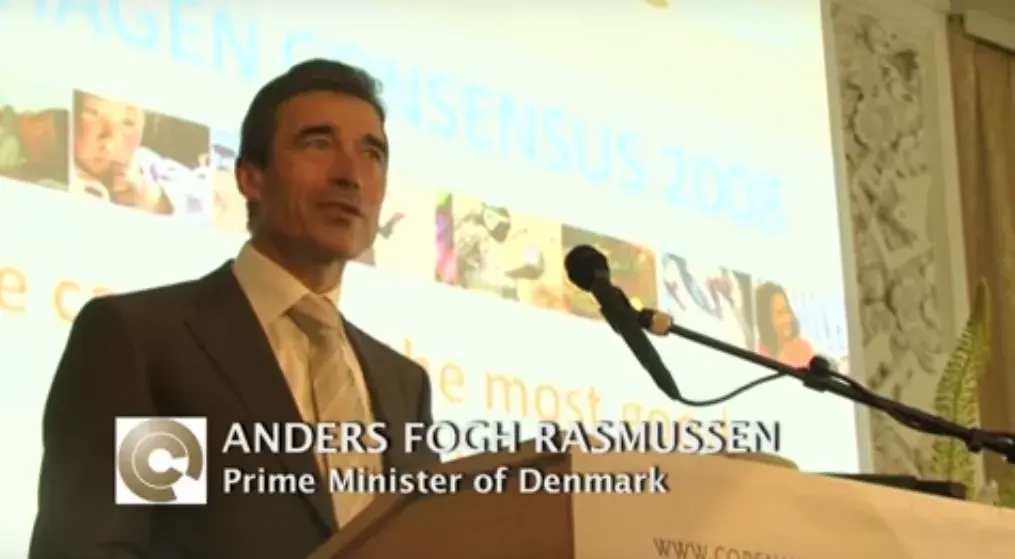
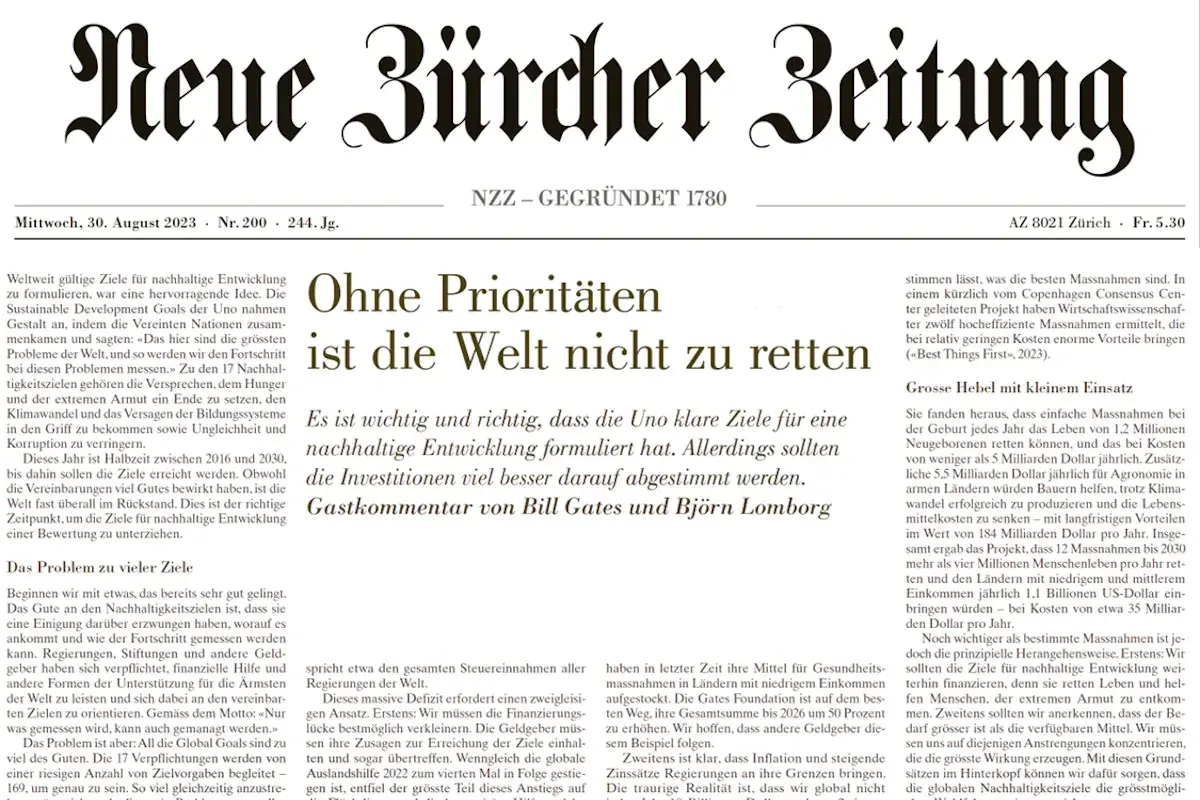
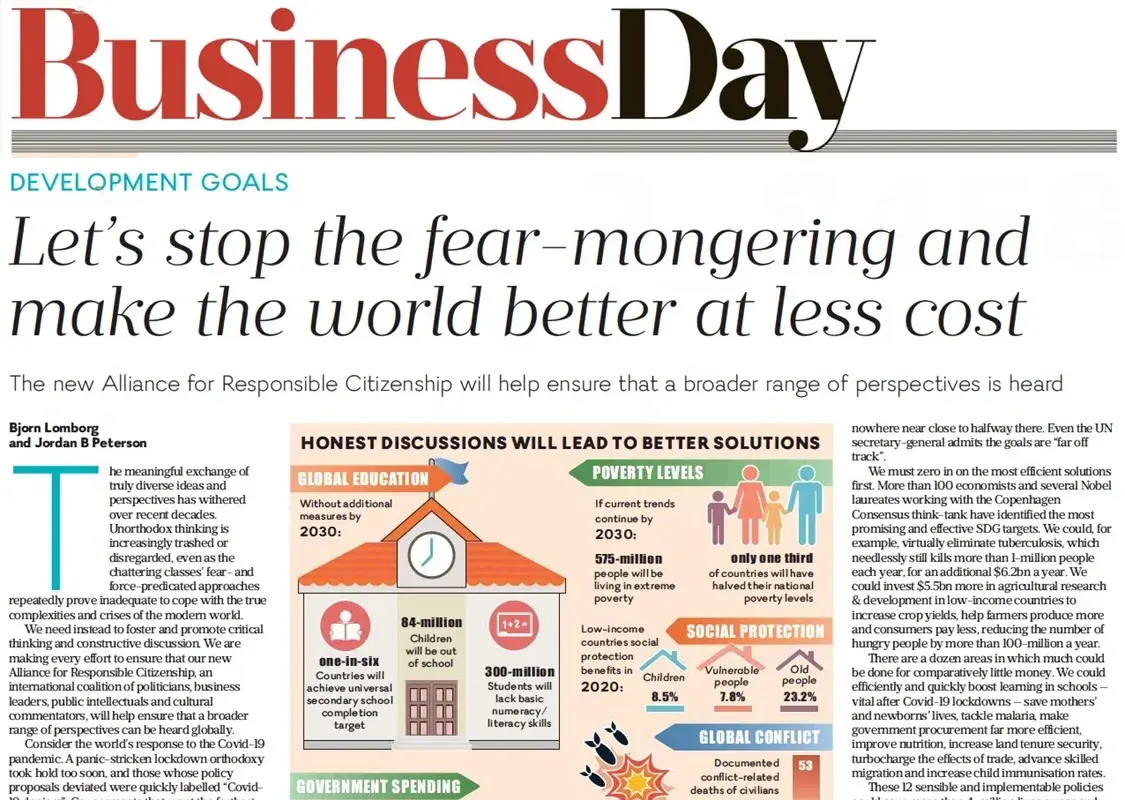
Top philanthropists like Bill Gates and heads of state like Juan Manuel Santos of Colombia and Anders Fogh Rasmussen of Denmark have endorsed the Copenhagen Consensus prioritization approach.